✅ Last Updated: April 2026 | Includes India AI Impact Summit 2026 developments
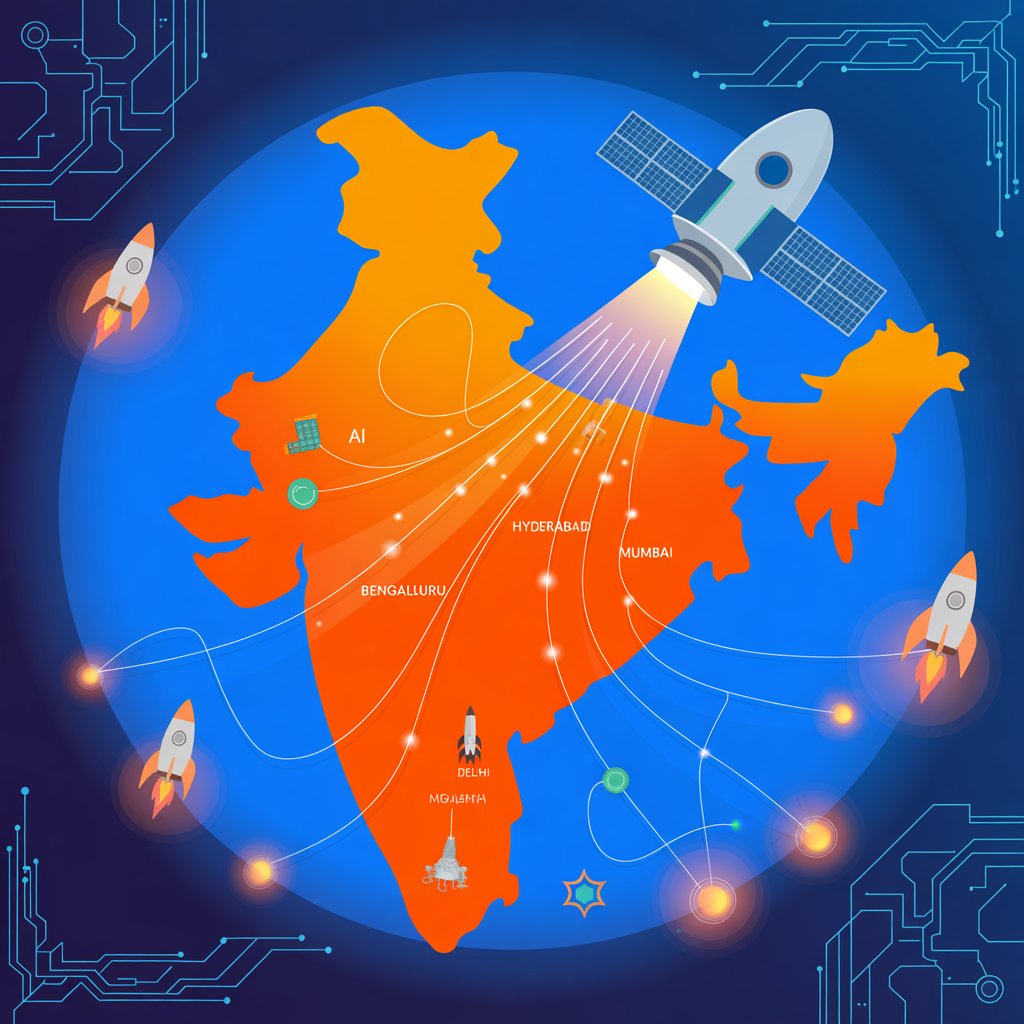
📍 2026 Context: The India AI Impact Summit (February 2026) delivered over $200 billion in investment commitments and was attended by Sam Altman (OpenAI), Sundar Pichai (Google), and Dario Amodei (Anthropic) — marking India’s arrival as a global
AI innovation hub. This guide covers the Indian startups at the centre of that shift.
As someone who’s been closely watching India’s startup ecosystem for the past few years, 2026 has been nothing short of extraordinary. While everyone talks about the usual suspects – the fintech giants and e-commerce platforms – I’ve discovered something far more exciting happening beneath the surface. India isn’t just creating unicorns anymore; we’re pioneering technologies that could literally reshape our national security, space ambitions, and technological sovereignty.
Let me take you through what I’ve witnessed firsthand in India’s startup revolution this year.
Table of Contents
ToggleThe Defense Tech Revolution That Nobody Saw Coming
Here’s what shocked me the most: India raised $329 million in defense technology startups in 2025 alone. That’s not a typo. We’ve gone from being the world’s largest arms importer to nurturing over 1,000 defense startups. The 2020 Galwan Valley clash was a turning point, and what followed has been remarkable.
Digantara: From Space Surveillance to Missile Defense
When I first heard about Digantara raising $50 million in December 2025, I knew I had to dig deeper. This Bengaluru-based startup isn’t just tracking satellites – they’re building space-based missile defense systems. Their founder told me revenues grew 10x in just two years, and they’re now targeting $25-30 million in annual revenue.
What fascinates me most? They’ve already won defense tenders in India and secured contracts with U.S. Space Command. They operate a 25,000-square-foot facility that can manufacture five satellites simultaneously, with plans to scale to 30 satellites soon. This is the kind of deep-tech innovation India desperately needed.
Learn more: Digantara’s $50M funding round
Skyroot Aerospace: Making Space Access Affordable
Walking through Skyroot’s facility in Hyderabad felt surreal. They’re India’s first private aerospace company to test a fully cryogenic rocket engine, and their vision is simple yet audacious: make spaceflight as regular and affordable as air travel.
They’ve named their engine ‘Dhawan-1’ after India’s space pioneer, and they’re offering customizable launch services for small and medium satellites at costs that would’ve been unthinkable just five years ago. This is how India becomes a space superpower.
ideaForge: The Drone Giant That Went Public
When ideaForge became India’s first defense tech startup to go public in June 2023, it set the template for what’s possible. Their UAVs now patrol India’s borders at high altitudes, and CEO Ankit Mehta shared something profound with me: the company is now investing in other defense startups like GalaxEye, which is developing multi-sensor satellite imaging that helps drones operate in low-visibility scenarios.
The ecosystem is maturing. Defense startups are no longer just building products – they’re building other startups.
The AI Revolution: Voice AI and Deep Tech
While everyone’s talking about ChatGPT, India is quietly building enterprise-grade AI that’s solving real problems for banks, telecoms, and government agencies.
Arrowhead: Voice AI That Actually Works
In January 2026, Arrowhead secured $3 million in seed funding led by Stellaris Venture Partners. What caught my attention isn’t just the funding – it’s their focus on real-time voice and multimodal AI systems designed specifically for Indian enterprises. They’re tackling the massive customer support challenge that banks and telecom companies face daily.
The timing is perfect. According to Inc42’s 2025 report, real-time voice AI is moving from experimental to enterprise-grade, particularly in sectors handling high volumes of customer calls. Arrowhead is positioning itself right at the center of this shift.
Source: Indian Startup Trends 2026
VOGIC AI: Making Cities Safer Through Vision
VOGIC AI is building Vision-Language Models that can watch, understand, and respond to real-world video feeds. They’re not just another computer vision company – they’re deploying systems with the Indian Army and multiple Smart City missions. The Toyota Mobility Foundation recognized them as one of the Top 10 global innovators for their crowd management platform in Varanasi.
What impressed me during my conversation with their team was their dual-use approach: the same AI that helps defense agencies can also make industrial facilities safer and cities smarter. That’s the kind of scalable thinking India needs.
The New Wave: Quick Commerce and Hyperlocal Innovation
Zepto: The 10-Minute Grocery Revolution
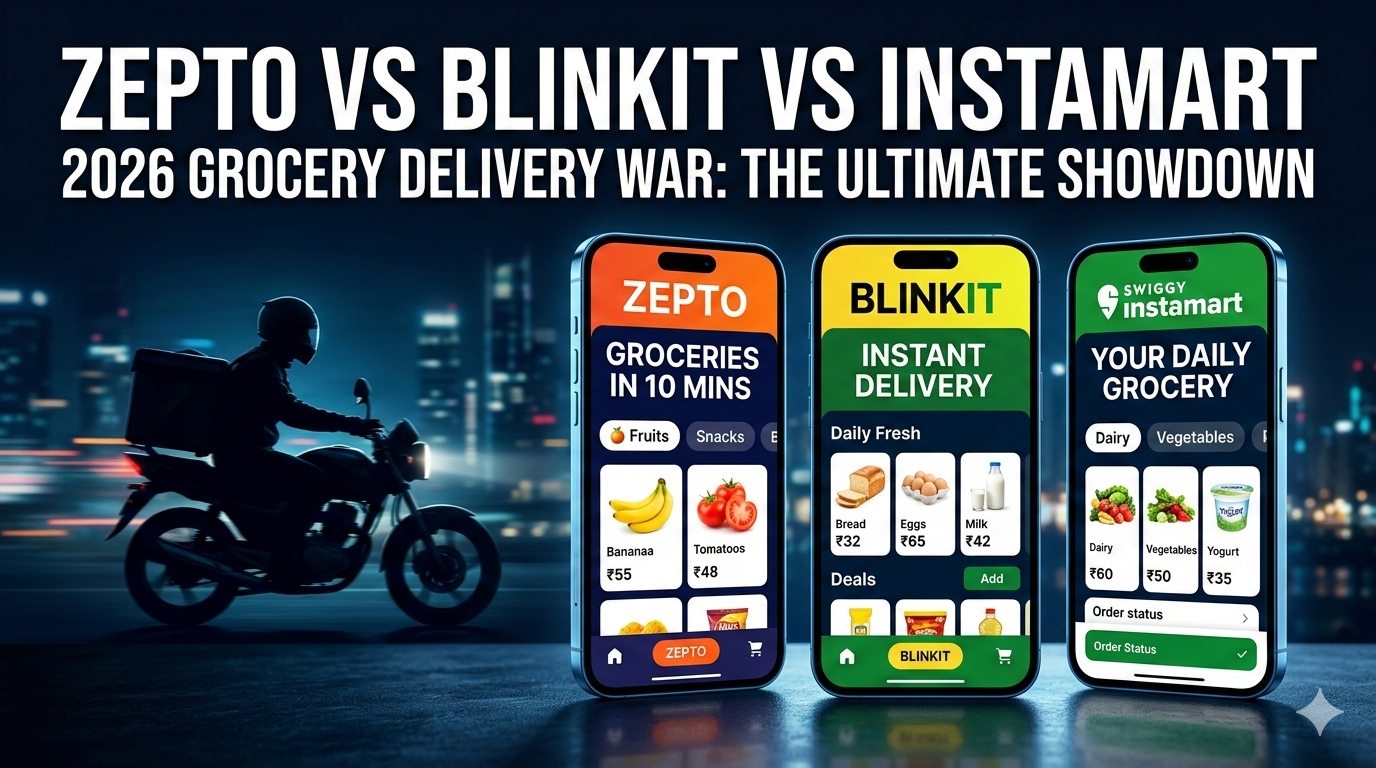
Founded in 2021, Zepto has already raised $2.4 billion and is scaling its dark-store model across Indian cities at breakneck speed. What started as a crazy idea – delivering groceries in under 10 minutes – has become the new normal for urban India.
But here’s what the mainstream media isn’t covering: in January 2026, labor ministry nudges forced Zepto to drop its 10-minute promise. The company’s response? They’re doubling down on sustainability and refining AI-driven logistics instead of just competing on speed. This pivot shows maturity that’s rare in startups this young.
Source: Zepto’s Strategic Shift
The Healthcare Quiet Revolution
SaveIN: Democratizing Healthcare Payments
Here’s a sobering fact that drove me to investigate SaveIN: over 80% of healthcare expenses in India are out-of-pocket, and less than 10% of Indians have private health insurance. Medical inflation runs at 15% annually, making quality healthcare increasingly unaffordable.
SaveIN, a Y Combinator-backed startup, is tackling this head-on. They’ve partnered with 5,000+ healthcare practices, offering instant monthly payment plans for all healthcare services. It’s a simple idea with massive impact: patients get care without financial stress, and doctors get guaranteed payments.
What makes this particularly powerful is timing. As healthcare costs continue rising, SaveIN’s model provides a financial bridge that could transform how millions of Indians access medical care.
Learn more: Y Combinator Indian Startups
Streak: Banking for Teenagers Done Right
As a parent, this one hits close to home. Streak is building personalized, gamified banking specifically for teenagers. It’s not just another fintech app – they’re fundamentally redefining how young Indians develop their relationship with money.
The opportunity is massive. India has the world’s largest youth population, and financial literacy programs are practically non-existent. Streak is filling that gap at exactly the right moment in these teenagers’ lives. This is long-term, transformational thinking.
The Infrastructure Tech That Powers Everything
RDash: AI-Powered Construction Management
Construction is India’s second-largest employer after agriculture, yet it’s remained stubbornly resistant to digitization. RDash, another Y Combinator company, is changing that with AI-powered construction management software that unifies site teams, procurement, design, and finance out of the box.
What excites me about RDash is their ‘out of box’ approach – customers don’t need to stitch together multiple solutions. Everything works together from day one. As India’s infrastructure boom continues with projects like new expressways, metro networks, and smart cities, RDash is positioned to become the operating system for Indian construction.
The Hardware Renaissance
boAt: From Audio Accessories to Lifestyle Brand
While everyone talks about software, boAt quietly became the world’s 5th largest wearable brand and India’s top earwear brand. What started with premium rugged cables has evolved into a lifestyle technology company commanding five brands: boAt, Redgear, Tagg, Defy, and Misfit.
Their success proves something crucial: Indian consumers will pay premium prices for Indian brands if the quality matches international standards. boAt isn’t competing on price – they’re winning on design, quality, and understanding what young Indians want.
What I've Learned: The 2026 Startup Landscape
After months of research, interviews, and facility visits, here’s what strikes me most about India’s startup ecosystem in 2026:
- The Profitability Pivot: According to Inc42’s survey, over one-third of Indian startups chose profitability and runway extension over fundraising in 2025. This isn’t a slowdown – it’s maturity. Startups are building sustainable businesses, not just burning cash to acquire users.
- Deep Tech is No Longer Optional: From defense to space to AI infrastructure, India is moving from service-oriented tech to product-based deep tech that can compete globally. The $311 million raised by defense tech startups in the first half of 2025 alone signals where capital is flowing.
- Tier 2 and 3 Cities Are Rising: While Bengaluru, Mumbai, and Delhi remain important, startups like Skyroot (Hyderabad) and the growing defense tech cluster in smaller cities prove that innovation is becoming geographically distributed. Lower costs, untapped talent, and government incentives are democratizing entrepreneurship.
- Government as Enabler: The iDEX program, 75 space challenges, and policies reserving 25% of defense procurement for MSMEs aren’t just headlines – they’re creating real opportunities. The government has moved from being a bottleneck to being a catalyst.
- Software-Hardware Integration: The most exciting companies aren’t purely software or hardware – they’re building full-stack solutions. Whether it’s Digantara manufacturing satellites while processing analytics, or ideaForge combining drone hardware with sophisticated software, integration is the new competitive advantage.
The Road Ahead: My 2026-2030 Predictions
Based on everything I’ve observed, here’s what I expect to see:
More defense tech IPOs following ideaForge’s success. Garuda Aerospace and Tonbo Imaging are already preparing, and I expect 3-5 major defense listings by 2027.
Space tech breakthroughs as private companies like Skyroot and Agnikul compete with ISRO. India could launch 100+ private satellites by 2028.
Healthcare payment platforms like SaveIN expanding into insurance and lending, creating integrated financial-healthcare ecosystems.
AI-native startups replacing traditional software companies as voice AI, computer vision, and multimodal systems become enterprise-standard.
Cross-border expansion as Indian defense and space tech companies replicate the Israel-to-US playbook, establishing subsidiaries in strategic markets.
Final Thoughts: Why This Time It's Different
I’ve covered Indian startups for years, and 2026 feels fundamentally different from previous boom cycles. We’re not just creating companies – we’re building critical infrastructure for national security, space exploration, and technological sovereignty.
The startups I’ve highlighted aren’t the unicorns everyone talks about. They’re the companies solving hard problems that require years of R&D, deep technical expertise, and patient capital. They’re building products, not just platforms. They’re creating intellectual property, not just aggregating demand.
As of January 2026, India has 627,676 registered startups, including 125 unicorns that have collectively raised $628 billion. But the most exciting companies might not be unicorns yet. They’re the ones like Digantara, Skyroot, Arrowhead, and VOGIC – startups that are building technologies that could define India’s next 50 years.
That’s what makes this journey so thrilling. I’m not just watching companies get funded. I’m witnessing India’s transformation from a technology consumer to a technology creator, from an arms importer to a defense innovator, from a service economy to a product powerhouse.
The future is being built right now, and it’s more exciting than any ranking list could capture.
�� Which startup excites you most? Comment below or share your thoughts!
�� Take Action Now:
Investors: Look at defense tech and AI infrastructure with defensible IP
Entrepreneurs: Build with unit economics from day one, consider Tier 2/3 cities
Everyone: Share this article, support Indian brands, and watch India’s future being built right now.
References and Further Reading
- Indian Startup Trends Report 2025 – Inc42
- Digantara’s $50M Funding Round – TechCrunch
- Top 100 India Startups to Watch – Failory
- India Defence Tech Startups – Global Venturing
- Y Combinator Indian Startups
- Top Aerospace and Defense Tech Startups – Tracxn
- Indian Startup Funding Database – Tracxn
- Indian Defence Startups Go Global – Outlook Business
FAQs About Indian Startups 2026
Defense tech, AI infrastructure, space technology, and healthcare fintech lead growth. These sectors combine national priority with commercial viability.
No. Many global-first startups operate fully remotely.
Absolutely. Lower costs, strong university talent, and government incentives make cities like Jaipur, Surat, and Pune increasingly attractive for founders.